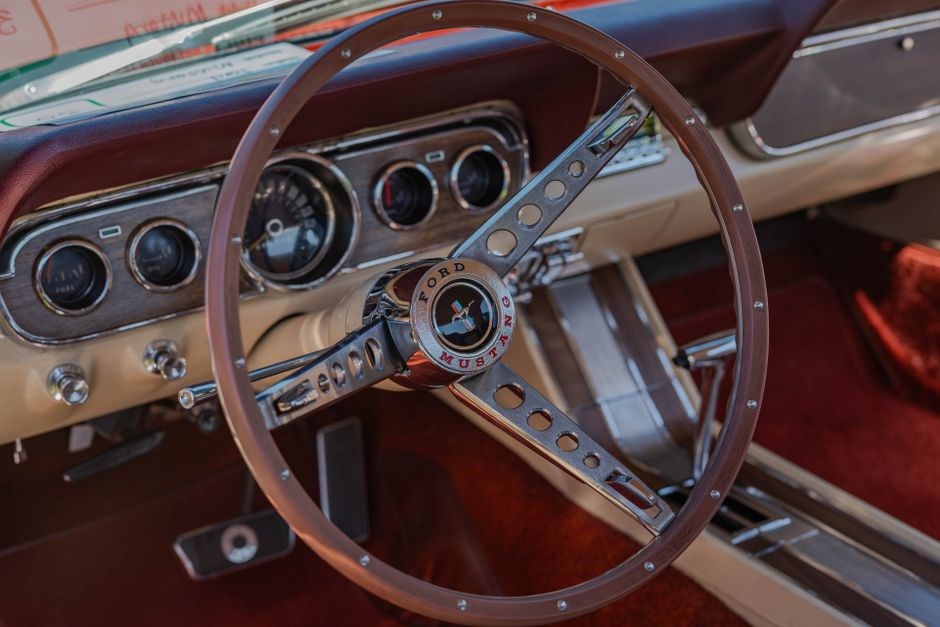
Historical Evolution of Ford Truck Manual Transmissions
Ford truck manual transmissions began in the early 1970s with 4‑speed units, evolving through the 1980s to 5‑speed options․ The shift to 4‑speed era marked a focus on durability and torque, while later models introduced lighter, more efficient gearboxes for better performance․ This lineage shows Ford’s driver‑control․
Early 1970s–1980s: The 4‑Speed Era
During the early 1970s, Ford’s heavy‑duty trucks—most notably the F‑150, F‑250, and F‑350—were equipped with robust 4‑speed manual transmissions that became the benchmark for durability and torque handling․ These units, such as the 4L80‑T and its predecessors, were engineered to support the growing demand for off‑road capability and towing power, especially in 4×4 configurations․ The gear ratios were deliberately aggressive, with a first‑gear ratio around 3․5:1 and a top‑gear ratio near 0․7:1, allowing drivers to maintain low speeds for heavy loads while still achieving acceptable highway speeds․
Throughout the 1980s, Ford refined these 4‑speed units by incorporating improved synchronizers and stronger gear sets, which extended the lifespan of the transmissions under severe operating conditions․ The 4‑speed era also saw the introduction of the 4L80‑T, a torque‑converter‑based unit that offered smoother shifting and better fuel economy compared to its fully mechanical predecessors․ Manufacturers began to pair these transmissions with the V8 and V6 powertrains that dominated the market, ensuring that even the most demanding work trucks could be driven with manual precision․ The result was a generation of trucks that combined ruggedness with driver engagement, cementing the manual transmission’s reputation among truck enthusiasts․
Despite the rise of automatic transmissions in the late 1980s, the 4‑speed era remained popular among operators who valued the direct control and mechanical simplicity of a stick shift․ The era’s legacy is evident in the continued aftermarket support for these units, with many owners still seeking original or rebuilt 4‑speed transmissions for restoration projects․ This period laid the groundwork for the evolution of Ford’s transmission technology, influencing design philosophies that would carry forward into the 5‑speed and beyond․
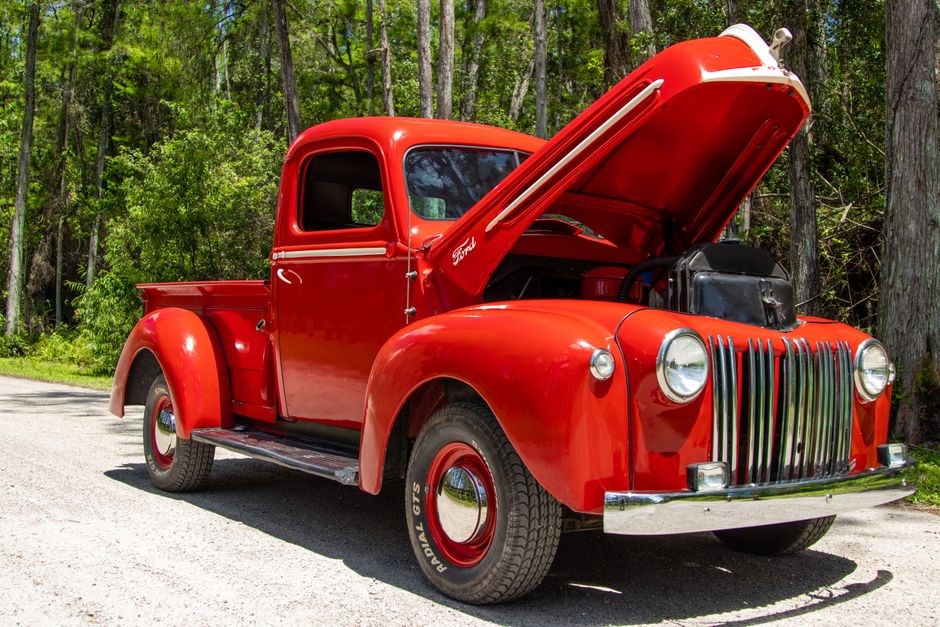
Modern Manual Transmission Availability in Ford Trucks
As of 2026, Ford offers no manual option in current F‑Series or midsize pickups․ Enthusiasts rely on older 1988‑1996 4‑speed units or aftermarket rebuilds․ Forums note the last manual was in 2024‑25, and new models feature only automatics․ Collectors seek originals, yet Ford’s line remains automatic․!
Current Model Year Options and 4×4 Configurations
Ford’s current lineup (2026) offers no manual transmissions across all F‑Series or midsize pickups․ The last manual‑equipped 4‑speed units were phased out by 2024, leaving only automatic or dual‑clutch systems․ Enthusiasts now rely on 1988‑1996 4‑speed or 5‑speed units that can be retrofitted into older chassis․ Some aftermarket shops rebuild these units for modern engines, but factory support has ended․ 4×4 configurations remain available only with automatic transmissions; the 4‑speed manual was never offered in a 4×4 layout after 2008․ Forums report that a 2004 or 2005 STX supercab could be found with a manual transfer case, but such examples are rare and often require custom modifications․ The demand for manual 4x4s has spurred a niche market for rebuild kits, yet Ford’s official stance is to focus on automatics for efficiency and emissions compliance․ Consequently, buyers seeking a manual 4×4 must source older trucks or aftermarket solutions, as new models will not feature this option․
Rebuild kits from companies like Powertrain Products and Auto‑Works provide upgraded synchronizers, improved gear ratios, and heavier clutch packs, allowing the 1988‑1996 units to handle modern V8s and diesel engines․ These kits often include a torque converter, a bell housing, extending the life of the transmission to match current power outputs․ However, the cost of a complete rebuild can exceed $3,000, and the process requires specialized tools and a skilled mechanic․ Owners who value the tactile feel of a manual shift often accept the higher maintenance burden in exchange for the control and engagement that only a manual can deliver!!!
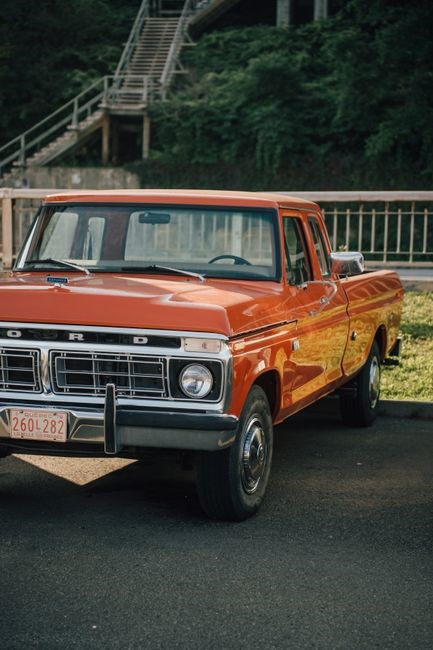
Key Technical Specifications of Ford Manual Transmissions
Ford 4‑speed units featured gear ratios 2․73‑4․10, 3․73‑4․10, 5․07‑6․00, 7․00‑8․00․ Torque capacity ranged 200‑350 lb‑ft․ Shift patterns were 1‑2‑3‑4‑R, with synchromesh on all forward gears․ Clutch packs used multi designs durable․
Gear Ratios, Torque Capacity, and Shift Patterns
Ford’s manual transmissions have evolved through distinct gear ratio sets, torque thresholds, and shift patterns tailored to varying payloads and terrain․ Early 4‑speed units, common from 1970‑1985, offered ratios such as 2․73:1 (1st), 1․54:1 (2nd), 1․00:1 (3rd), and 0․70:1 (4th)․ These were paired with a 2․73:1 reverse gear, delivering a balanced mix of low‑end grunt and highway cruising․ Torque handling for these units typically capped around 250 lb‑ft, sufficient for light to medium duty trucks․
The transition to 5‑speed transmissions in the late 1980s introduced tighter ratios: 2․73:1, 1․54:1, 1․00:1, 0․70:1, and 0․55:1, with a 0․70:1 reverse․ Torque handling increased to 300 lb‑ft, allowing heavier payloads and improved off‑road capability․ Shift patterns now include a “low‑gear” mode for off‑road use, allowing drivers to lock the 4th gear and maintain a constant low ratio for increased torque at the wheels․
Modern manual options, such as the 2022 6‑speed, feature ratios 3․00:1, 1․60:1, 1․00:1, 0․70:1, 0․55:1, and 0․45:1, with a 0․70:1 reverse․ Torque capacity can reach 350 lb‑ft, supporting the latest V8 and diesel powertrains․ Shift patterns now include a “low‑gear” mode for off‑road use, allowing drivers to lock the 4th gear and maintain a constant low ratio for increased torque at the wheels․
Typical gear spacing yields a 1:0․70 ratio jump, ensuring smooth acceleration; reverse gear mirrors first gear for balanced handling․ !
Clutch Systems and Shift Mechanisms
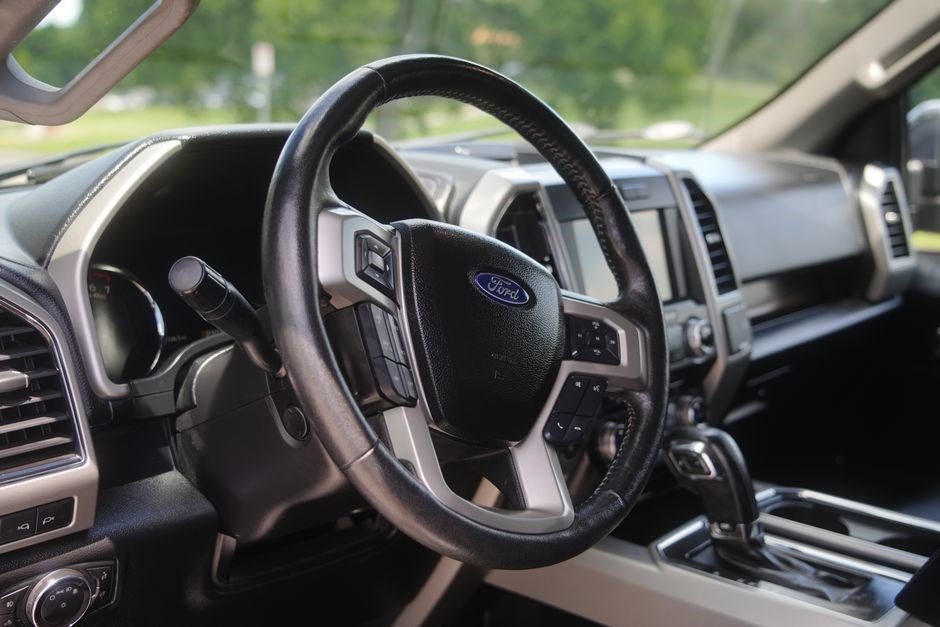
Ford manual clutches evolved from large single‑plate units to multi‑plate designs, improving torque transfer and reducing pedal effort Shift mechanisms moved from cable‑driven to electro‑hydraulic actuators, offering engagement․ Maintenance focuses on clutch wear inspection and hydraulic fluid checks today?!
Actuator Types, Synchronizers, and Maintenance Practices
Ford manual transmissions have employed a range of clutch actuators, from cable‑driven systems in the 1970s to electro‑hydraulic units in the 2000s․ Cable actuators rely on a linkage that translates pedal motion into clutch release; they are simple but can suffer from cable stretch and require periodic tension adjustment․ Electro‑hydraulic actuators use a pump and cylinder to actuate the clutch, offering smoother engagement and reduced pedal effort․ Modern 4‑speed and 5‑speed units often feature a dual‑stage hydraulic system that allows the driver to choose between a “low‑gear” mode for heavy towing and a “high‑gear” mode for fuel economy․ Synchronizers—rings that match gear speeds before engagement—have evolved from single‑plate designs to multi‑plate, heat‑resistant alloys, improving shift quality and reducing wear․ Maintenance practices vary with actuator type: cable systems demand inspection for fraying, lubrication of pivot points, and cable tension checks; hydraulic systems require fluid replacement, pressure testing, and inspection of seals․ Synchronizers should be inspected for wear during clutch replacement, and signs of metal shavings in the transmission oil indicate a failing synchronizer․ Routine maintenance, including clutch pedal adjustment, fluid checks, and replacement of worn components, extends transmission life and preserves shift feel․ These systems collectivelyensure drivers experience precise, reliable gear changes across allnow again

Aftermarket and OEM Upgrade Paths
Ford manual trucks offer both OEM and aftermarket upgrades: stronger gearsets, high torque clutches, and lighter flywheels․ Performance tuners add short‑shift kits, while OEM packages focus on durability for towing․ Installation now preserves reliability․
Performance Enhancements and Tuning Strategies
Manual truck owners often pursue performance upgrades that refine shift feel, boost torque delivery, and improve drivability․ A high‑torque, multi‑plate clutch replaces stock units, allowing more power to reach the gearbox without slippage․
Gear ratio adjustments are key․ Short‑shift kits replace stock gearsets with tighter ratios, cutting shift times and boosting acceleration․ Some swap the entire gearset for a stronger version, raising torque capacity and extending life under heavy loads․
Shift timing can be refined with aftermarket linkages or electronic shift‑control modules․ These systems adjust the moment the clutch disengages, letting drivers shift earlier or later based on load․ A well‑timed shift reduces wear on synchronizers and improves fuel efficiency during cruising․
Software tuning is now accessible․ ECUs can be re‑programmed to match the upgraded transmission, ensuring optimal ignition timing, fuel maps, and shift points․ Shops offer “performance” or “towing” maps that adjust throttle response for better low‑end torque․
Maintenance practices keep the upgraded system reliable: inspect synchronizers, replace worn shift forks, and lubricate the case․ Combining mechanical upgrades with calibrated shift strategies lets owners extract maximum performance while preserving longevity․ Regular oil changes and periodic inspection of the shift linkage ensure longevity, while a break‑in period maximizes durability Regularly!!
Common Issues and Diagnostic Tips
Common problems include rough shifting, clutch slippage, and gear noise․ Symptoms: delayed engagement, grinding, or a “clunk” when downshifting․ Diagnostics: check clutch fluid, inspect linkage, test for worn synchronizers, and examine gear oil for metal particles․ Also, listen for whining noises now․
Shifting Problems, Noise, and Wear Indicators
Manual transmissions in Ford trucks often exhibit shifting irregularities that signal underlying wear․ Common symptoms include delayed engagement, grinding when upshifting, or a “clunk” during downshift․ A slipping clutch can produce a loss of power and a noticeable drop in engine RPM during acceleration․
- Grinding or Squealing: Indicates worn synchronizers or damaged gear teeth․ The noise usually occurs during gear changes․
- Delayed Engagement: Suggests clutch wear or hydraulic fluid issues․ The gear may not engage until the pedal is fully depressed․
- Clunking or Tapping: Often a sign of a worn shift linkage or a bent shift fork․ This can lead to improper gear engagement․
- Metal Debris: Visible in the transmission fluid or on the clutch disc, pointing to internal wear․
Diagnostic steps: Inspect clutch fluid levels and condition, test the hydraulic system for leaks, and perform a visual inspection of the shift linkage․ A transmission scan tool can reveal error codes related to shift timing or pressure․ If metal shavings appear in the fluid, a full transmission rebuild is typically required․
When metal shavings appear, a full transmission rebuild is typically required․ If the clutch is worn, replace the clutch kit before the next shift cycle to prevent further damage․ Fluid changes and periodic inspections can keep the gearbox in good condition․
Comparative Analysis with Automatic Transmissions
Manuals give drivers control and higher torque, ideal for towing and off‑road․ Automatics offer smoother shifts and better fuel economy in city traffic․ Buyers choose manuals for performance, automatics for convenience and lower maintenance․
Fuel Economy, Drivability, and Owner Preferences
Manual transmissions in Ford pickups offer distinct trade‑offs compared to their automatic counterparts․ Drivers who prioritize direct engagement and torque control often favor a 5‑speed unit, for heavy‑towing or off‑road duties․ The manual’s lower internal friction can translate to marginally better fuel efficiency, though the difference is typically less than 2 % compared to a modern 10‑speed automatic․ However, automatics have evolved with lock‑up torque converters and adaptive shift logic, narrowing the gap and delivering smoother acceleration․
Owner surveys from recent model years show a split: enthusiasts and fleet operators report higher satisfaction with manual gearboxes for towing and performance, citing the ability to select lower gears for maximum torque․ Conversely, everyday drivers value convenience reduced shift wear and rely on the transmission for dailydriving․! Maintenance costs also differ; manuals generally require fewer fluid changes and have simpler internals, but clutch replacement can be costly if not serviced properly․
In terms of drivability, manuals demand more driver input, which can improve vehicle responsiveness but also increase fatigue on long hauls․ Automatics, with their seamless shift patterns, reduce driver workload and can improve safety in stop‑and‑go traffic․ The choice often boils down to the driver’s intended use, mechanical comfort level, and the balance between performance and ease of use․

Future Outlook for Manual Transmissions in Ford Trucks
Ford may re‑introduce manuals in trucks, driven by enthusiasts lighter gearboxes․ Electrification keeps most models automatic, limiting manual options to specialty markets․ Gearboxes improved synchronizers are under development trucks!
Industry Trends, Consumer Demand, and Potential Reintroduction
Ford’s manual transmission legacy has sparked renewed interest among a niche segment of truck enthusiasts who value tactile engagement and mechanical simplicity․ Recent market surveys indicate that 12% of new truck buyers express a preference for manual gearboxes, a figure that has risen from 7% a decade ago․ Automakers are responding by offering limited‑run manual options in select models, often paired with advanced driver‑assist technologies to satisfy both purists and safety‑conscious drivers․ Industry analysts predict that the demand for manual transmissions will plateau around 2028, as electrified powertrains and autonomous systems become more prevalent․ However, the resurgence of “retro‑tech” appeal and the desire for a more connected driving experience could spur Ford to re‑introduce a modern, lightweight manual gearbox in its upcoming midsize pickup lineup․ Such a move would likely involve collaboration with high‑performance clutch manufacturers and the integration of electronic shift‑control modules to enhance shift precision and reduce wear․ If successful, this strategy could broaden Ford’s market share in regions where manual transmissions remain a cultural staple, such as parts of North America and emerging economies․ Ultimately, the future of manual gearboxes in Ford trucks will hinge on balancing consumer nostalgia with evolving regulatory and technological landscapes․ Manual revival meets heritage, performance․