Kenmore Elite Top Load Washer Manual: A Comprehensive Guide

Discover essential guidance for your appliance, including use & care guides, technical repair details, and troubleshooting for error codes like F6/E2.
Welcome to the world of efficient and reliable laundry care! Your Kenmore Elite Top Load Washer is designed to deliver exceptional cleaning performance and long-lasting durability. This manual serves as your comprehensive resource, guiding you through every aspect of your washer’s operation, maintenance, and troubleshooting.
Whether you’re a first-time user or a seasoned laundry expert, this guide will unlock the full potential of your appliance. We’ll cover everything from understanding your specific model number and its features, to safely installing and operating the washer. You’ll find detailed instructions on selecting the optimal wash cycles, utilizing available options, and performing routine maintenance to keep your washer running smoothly for years to come.
This manual also provides valuable information on addressing common issues and interpreting error codes, ensuring you can quickly resolve any problems that may arise.
Understanding Your Washer Model Number
Your Kenmore Elite Top Load Washer’s model number is crucial for accessing specific information and support. Located typically on the appliance’s frame (often behind the washer door or on the back panel), this unique identifier unlocks access to detailed manuals, parts diagrams, and warranty details.
The model number, such as 11031632611, provides insights into the washer’s manufacturing date, features, and specifications. When contacting customer support or ordering replacement parts, having this number readily available ensures accurate assistance.
Referencing your model number when downloading manuals – available on the Kenmore website – guarantees you receive the correct documentation for your specific machine. Understanding this number streamlines maintenance, repairs, and overall ownership experience.
Safety Precautions and Warnings
Prioritize safety when operating your Kenmore Elite Top Load Washer. Always disconnect the power supply before performing maintenance or cleaning. Never attempt repairs yourself unless qualified; improper servicing can lead to hazards.
Keep children and pets away from the washer during operation. Do not overload the machine, as this can cause instability and potential injury. Use only HE (High Efficiency) detergent to prevent excessive suds and ensure proper rinsing.
Inspect the water supply hoses regularly for cracks or leaks. Avoid washing flammable materials. Read the complete manual for comprehensive safety guidelines and heed all warnings to prevent accidents and ensure safe operation.
Washer Features and Components
Your Kenmore Elite Top Load Washer boasts several advanced features. Key components include a durable stainless steel wash basket, designed for longevity and hygiene. The machine features a powerful motor for efficient cleaning and a robust cabinet construction for stability.
Explore the intuitive control panel for cycle selection and customized wash options. A spacious interior accommodates large loads, reducing laundry time. The integrated detergent dispenser automatically releases detergent, bleach, and fabric softener at the optimal times.

Additional features may include a sanitize cycle, a quick wash option, and adjustable spin speeds. Familiarize yourself with each component for optimal performance and extended appliance life.
Control Panel Overview
The Kenmore Elite Top Load Washer’s control panel is designed for user-friendly operation. It typically features a digital display indicating cycle status and remaining time. Cycle selection options include Normal, Delicates, Heavy Duty, Quick Wash, and Bulky Items, among others.
Dedicated buttons allow for customization of wash parameters, such as water temperature (Hot, Warm, Cold) and spin speed (High, Medium, Low, No Spin). Option buttons enable features like Extra Rinse, Sanitize, and Delay Start.
A Power button initiates or stops the washer, while a Start/Pause button begins or temporarily halts a cycle. The control panel’s layout ensures easy access to all functions for a streamlined laundry experience.
Detergent Dispenser Guide
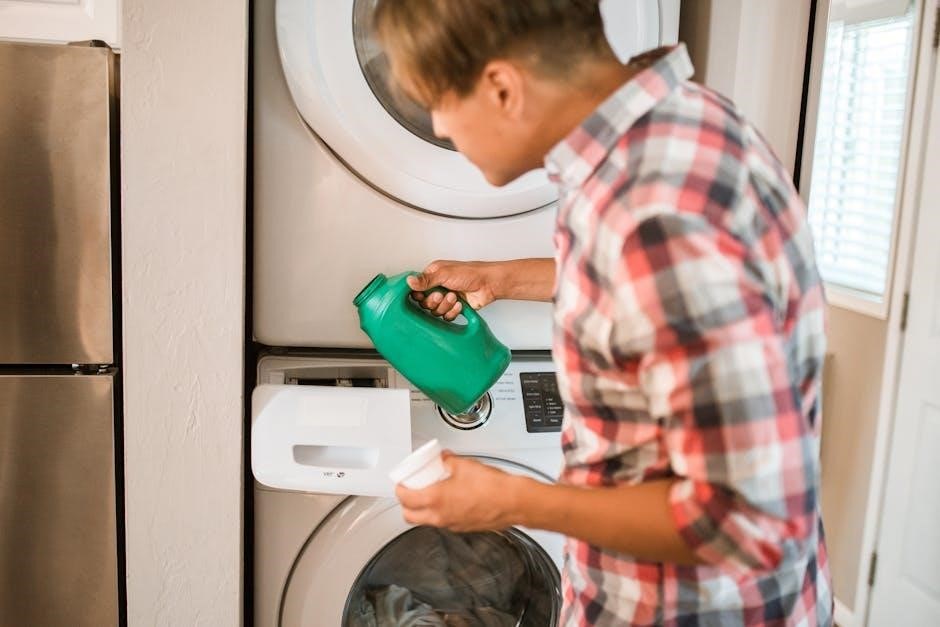
The Kenmore Elite Top Load Washer’s detergent dispenser is typically divided into separate compartments for optimal cleaning. A main wash compartment accepts powdered or liquid detergent for the primary wash cycle. A separate compartment, often marked with a bleach symbol, is designated for liquid chlorine bleach – never mix bleach with other detergents!
A fabric softener compartment, usually indicated by a flower symbol, dispenses fabric softener during the final rinse cycle. Always dilute liquid fabric softener with water before adding it to prevent staining.
Ensure you use the correct type and amount of detergent for your load size and water hardness to achieve the best results. Refer to the detergent manufacturer’s instructions for guidance.
Installation Instructions
Before installation, carefully inspect your Kenmore Elite Top Load Washer for any shipping damage. Remove all packing materials, including those inside the drum. Position the washer on a level, solid surface, ensuring adequate space for water supply connections and ventilation.
Read the complete manual before proceeding. Connect the water inlet hoses to both the hot and cold water faucets, tightening securely. Ensure the hoses are not kinked or twisted.
Proper leveling is crucial to minimize vibration and noise during operation. Use a level to adjust the washer’s feet until it sits perfectly balanced. Finally, plug the power cord into a grounded electrical outlet.
Water Supply Connection
Connect the hot and cold water inlet hoses to the corresponding faucets, ensuring a secure and leak-proof connection. Use new hoses if the existing ones show signs of wear or damage. Hand-tighten, then use pliers to give a further half-turn, avoiding over-tightening.
Verify that the water pressure is within the recommended range specified in the manual – typically between 20 and 100 psi. Insufficient water pressure can affect wash performance, while excessive pressure may damage the washer.
Before starting the washer, slowly turn on both water faucets and check for leaks at the hose connections. Address any leaks immediately before proceeding with installation.
Leveling the Washer
Proper leveling is crucial to minimize vibration and noise during operation. Use a bubble level to check the washer’s stability on the floor, placing it on both the side-to-side and front-to-back directions.
Adjust the leveling legs by rotating them clockwise to lower the washer and counterclockwise to raise it. Continue adjustments until the bubble is centered within the level’s indicator. Ensure all four legs are firmly in contact with the floor.

After leveling, gently rock the washer to confirm its stability. If it wobbles, re-adjust the legs as needed. A properly leveled washer will operate more efficiently and quietly.
Operating Instructions
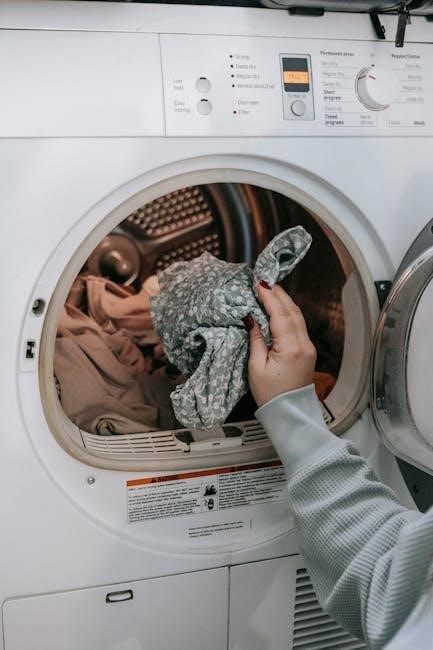
Begin by loading your laundry, ensuring not to overload the washer. Add detergent to the dispenser, selecting the appropriate amount based on load size and soil level. Close the lid securely before starting a cycle.
Turn the control panel dial to choose your desired wash cycle – options include Normal, Delicates, Bulky/Sheets, and Quick Wash. Customize your wash with options like temperature and spin speed. Press the ‘Start’ button to initiate the cycle.
The washer will automatically fill, wash, rinse, and spin. Once complete, the cycle will end, and the lid will unlock. Remove your clean laundry promptly.
Loading and Unloading Laundry
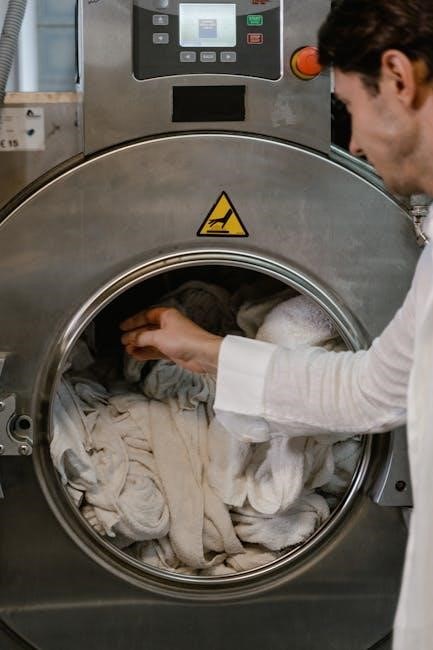
To load your Kenmore Elite top load washer, distribute items loosely inside the drum, avoiding tightly packed bundles. Do not overload; leave sufficient space for clothes to move freely during the wash cycle. Ensure small items are placed inside a mesh laundry bag to prevent them from getting lodged in the machine.
When unloading, carefully remove all items once the cycle is complete and the lid is unlocked. Check the drum for any forgotten socks or small articles. Promptly removing laundry prevents mildew and wrinkles.
Selecting Wash Cycles
Your Kenmore Elite top load washer offers a variety of cycles tailored to different fabric types and soil levels. Common cycles include Normal, Delicates, Heavy Duty, Bulky Items, and Quick Wash. The Normal cycle is ideal for everyday laundry, while Delicates provides gentle cleaning for fragile fabrics.
Heavy Duty tackles heavily soiled items, and Bulky Items accommodates larger loads like comforters. Utilize the Quick Wash cycle for lightly soiled clothes needing a fast refresh. Consult the washer’s control panel and manual to understand each cycle’s specific settings and recommended use.
Using Washer Options (Temperature, Spin Speed)
Customize your wash with temperature and spin speed options. Water temperature settings typically include Hot, Warm, and Cold. Hot water is best for whites and heavily soiled items, while Warm is suitable for most colors. Cold water saves energy and protects delicate fabrics.

Spin speed controls the moisture remaining in clothes after washing. Higher spin speeds extract more water, reducing drying time, but can cause more wrinkles. Lower speeds are gentler on delicate items. Adjust these settings via the control panel, referencing your manual for optimal combinations based on your laundry needs.
Maintenance and Cleaning
Regular maintenance ensures optimal performance and longevity of your Kenmore Elite washer. Periodically clean the washer interior to prevent mildew and odors. Utilize a washer cleaner product monthly, following package instructions, or run an empty hot water cycle with vinegar.
Don’t neglect the detergent dispenser; remove and clean it to prevent clogs. Crucially, regularly clean the washer’s filter to remove lint and debris, preventing drainage issues. Refer to your user manual for specific filter location and cleaning procedures. Consistent upkeep will keep your washer running efficiently.
Cleaning the Washer Interior
To maintain a fresh and hygienic washing machine, regularly clean the interior. Run an empty hot water cycle monthly with a commercial washer cleaner, or substitute with two cups of white vinegar. This helps dissolve mineral buildup and eliminate odors.
After the cycle, wipe down the drum and any exposed surfaces with a damp cloth. Pay attention to the area under the lid, as this can accumulate residue. Avoid abrasive cleaners, as they may damage the finish. A clean interior promotes efficient washing and extends the life of your Kenmore Elite top load washer.
Cleaning the Detergent Dispenser
Regularly cleaning the detergent dispenser prevents clogs and ensures optimal performance. Remove the dispenser drawer by pressing the release tab, if equipped, and gently pull it out. Rinse all compartments thoroughly under warm water to dissolve any accumulated detergent or fabric softener residue.
Use a small brush, like an old toothbrush, to scrub away stubborn buildup. Inspect the dispenser housing within the washer for any remaining debris and clean it as well. Ensure the dispenser is completely dry before reinserting it into the washer. A clean dispenser guarantees accurate dispensing and prevents potential issues.
Filter Cleaning Procedures
Maintaining a clean filter is crucial for preventing drain issues and ensuring efficient washer operation. Locate the filter access panel, typically at the front or back of the machine near the bottom. Before opening, place towels to absorb any spilled water. Carefully unscrew the filter cap, as water may be present.
Remove any lint, debris, or small objects trapped within the filter. Rinse the filter thoroughly under running water until it’s clean. Inspect the filter housing for any obstructions and remove them. Reinstall the filter securely, ensuring a watertight seal. Regularly cleaning the filter prevents blockages and prolongs your washer’s lifespan.
Troubleshooting Common Issues
Encountering problems? Several common issues can arise with your Kenmore Elite top load washer. If the washer won’t start, check the power cord and circuit breaker. For error code F6/E2, often indicating a draining problem, verify the drain hose isn’t kinked or clogged. A washer that won’t drain may also have a blocked filter – refer to the filter cleaning section.
Excessive vibration could signal an unbalanced load; redistribute items. If clothes are still wet after the cycle, ensure the spin cycle is selected correctly. Always consult the full manual for detailed troubleshooting steps and safety precautions before attempting any repairs.
Error Codes and Their Meanings (F6/E2)
The F6/E2 error code is a frequently reported issue with Kenmore Elite top load washers, primarily signaling a draining malfunction. This indicates the washer isn’t effectively removing water after the wash or rinse cycle. Potential causes include a clogged drain pump filter, a kinked or blocked drain hose, or a faulty drain pump itself.
Before seeking professional repair, attempt to clear any obstructions in the drain hose and thoroughly clean the drain pump filter. Refer to the manual’s maintenance section for detailed filter cleaning instructions. If the error persists, a technician may be required to diagnose and replace the drain pump.
Washer Not Draining
If your Kenmore Elite top load washer isn’t draining, first ensure the drain hose isn’t kinked, crushed, or frozen; Verify it’s properly inserted into the standpipe and not pushed in too far, which can cause siphoning. Next, locate and carefully clean the drain pump filter – often accessible behind a small access panel on the front of the washer.
A clogged filter is a common culprit. If cleaning the hose and filter doesn’t resolve the issue, the drain pump itself might be faulty and require replacement. Remember to disconnect power before any inspection or repair attempts. Consult the error code section (F6/E2) for related troubleshooting.
Parts Diagram and Replacement
Locating replacement parts for your Kenmore Elite top load washer often begins with identifying your specific model number. Detailed parts diagrams are crucial for visualizing component locations and ensuring correct replacements. Many online retailers specialize in appliance parts, offering diagrams and individual components like belts, pumps, and control boards.
When replacing parts, always disconnect the power supply. Carefully follow instructions, and if unsure, consult a qualified technician. Proper installation is vital for optimal washer performance and safety. Remember to cross-reference part numbers to guarantee compatibility with your Kenmore Elite model.
Warranty Information
Kenmore Elite washers typically come with a limited warranty covering defects in materials and workmanship. The standard warranty period often extends for one year from the date of purchase, covering parts and labor. Extended warranties may be available for purchase, offering additional coverage for a longer duration.
To make a warranty claim, retain your proof of purchase and contact Kenmore customer support. The warranty doesn’t cover damage resulting from misuse, improper installation, or normal wear and tear. Carefully review the warranty documentation for specific terms, conditions, and exclusions to understand your coverage fully.