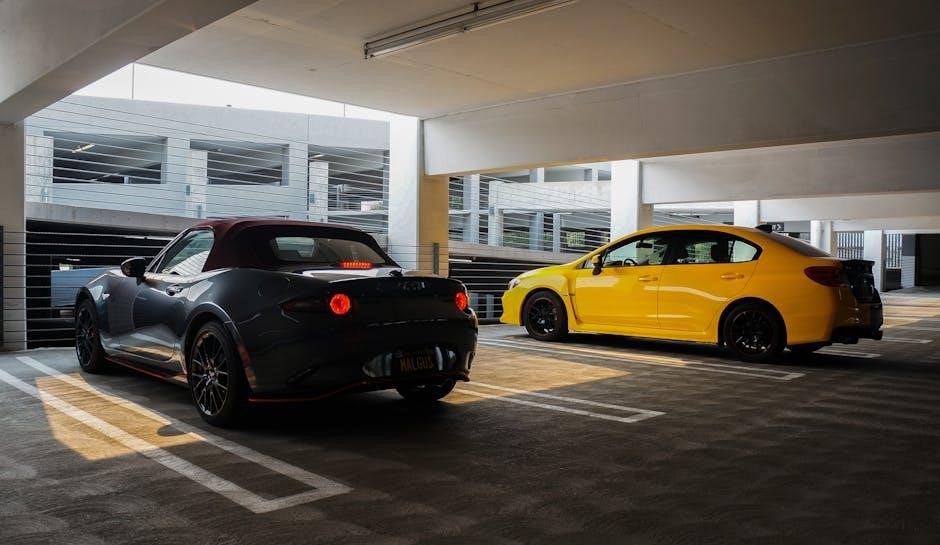
The Subaru WRX transmission landscape is diverse. Contrary to popular belief, not all WRX models are manual. An automatic option, a CVT, is available, offering an alternative driving experience. This dispels the common myth of a stick-shift-only WRX.
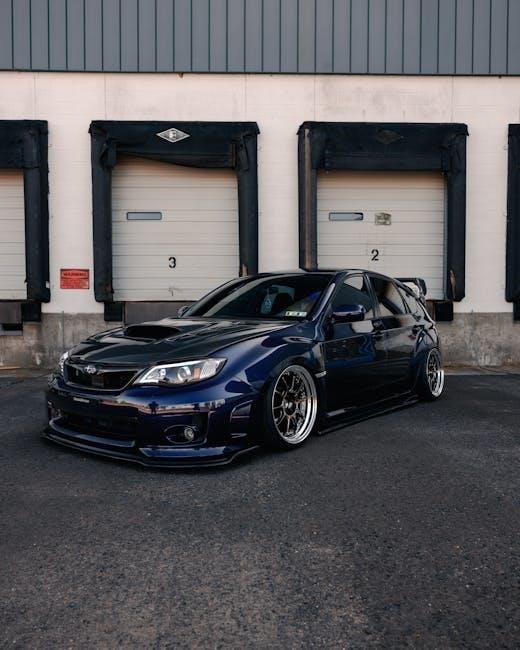
Dispelling the Myth: Not All WRX Are Manual
The perception that every Subaru WRX comes exclusively with a manual transmission is a widespread myth that requires dispelling. While the WRX has indeed built its legendary reputation on the engaging experience of a stick shift, the reality is that Subaru offers an automatic transmission option. This crucial detail often surprises those new to the brand or unfamiliar with its recent offerings. The assumption of a manual-only lineup stems from the WRX’s motorsport heritage and enthusiast following, where the thrill of rowing through gears is central to the driving appeal. However, to cater to a broader market and different driving preferences, Subaru introduced an automatic alternative. This inclusion means that potential buyers are not strictly limited to a three-pedal setup when considering a WRX. Therefore, it’s incorrect to state that all WRX models are manual; a significant portion of the production includes an automatic variant, expanding its accessibility to a wider audience who may prefer or require an automatic transmission for daily commuting or other reasons. This diversification in transmission offerings challenges the long-held belief among enthusiasts and the general public alike, highlighting Subaru’s strategic move to broaden the WRX’s appeal beyond its traditional manual-centric base.
The Existence of the CVT Option
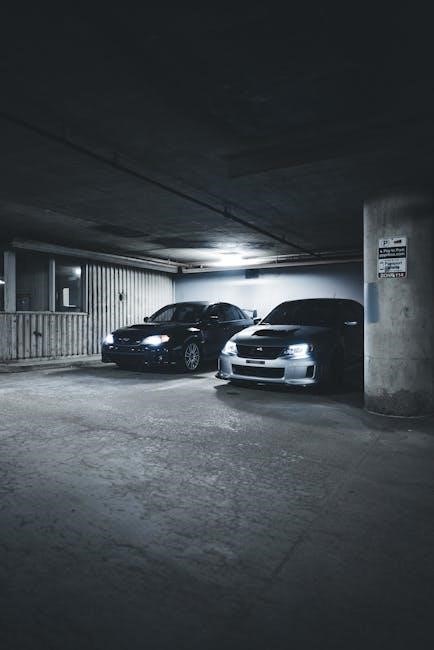
Further elaborating on the availability of automatic transmissions, it is important to highlight the specific type utilized in the Subaru WRX: a Continuously Variable Transmission, or CVT. This option provides an automatic alternative for drivers who prefer not to operate a manual gearbox, broadening the WRX’s market appeal. Its inclusion caters to a wider demographic, offering a more convenient and less demanding driving experience, particularly beneficial for daily commutes or congested traffic where constant gear changes become tiresome. While some performance car enthusiasts might anticipate a conventional automatic or a more responsive dual-clutch transmission, Subaru strategically opted for the CVT. This choice has significant implications for the car’s overall driving dynamics and its perception within the performance sedan segment, differentiating it from many rivals. Notably, in certain markets, such as Japan, the standard WRX is exclusively offered with this CVT. This means Japanese buyers seeking a manual WRX must opt for the higher-performance STI model, underscoring the distinct regional approaches Subaru employs for its transmission offerings. The CVT becomes a pivotal element in understanding the WRX’s global availability and operational characteristics for many potential owners.
Market Availability of Automatic WRX
The market availability of the automatic Subaru WRX, specifically equipped with a Continuously Variable Transmission (CVT), varies significantly across different regions, highlighting Subaru’s tailored approach to its global customer base. In the United States, while the manual transmission remains a popular choice and is widely available, the CVT option is also offered, providing consumers with a choice. This dual availability caters to a broader range of preferences, acknowledging that not all drivers seek the engaging driving experience of a manual gearbox, even in a performance-oriented sedan. However, the situation is distinctly different in the Japanese domestic market. For buyers in Japan, the standard Subaru WRX is exclusively available with the CVT. This means that if a Japanese consumer desires a manual transmission in their WRX, their only option is to upgrade to the more potent WRX STI variant. This regional distinction underscores how Subaru adapts its product offerings to meet specific local market demands and preferences, making the automatic WRX a standard for some while an option for others. This segmentation significantly influences purchasing decisions and defines the WRX driving experience depending on geographical location.
The WRX Manual Transmission Experience
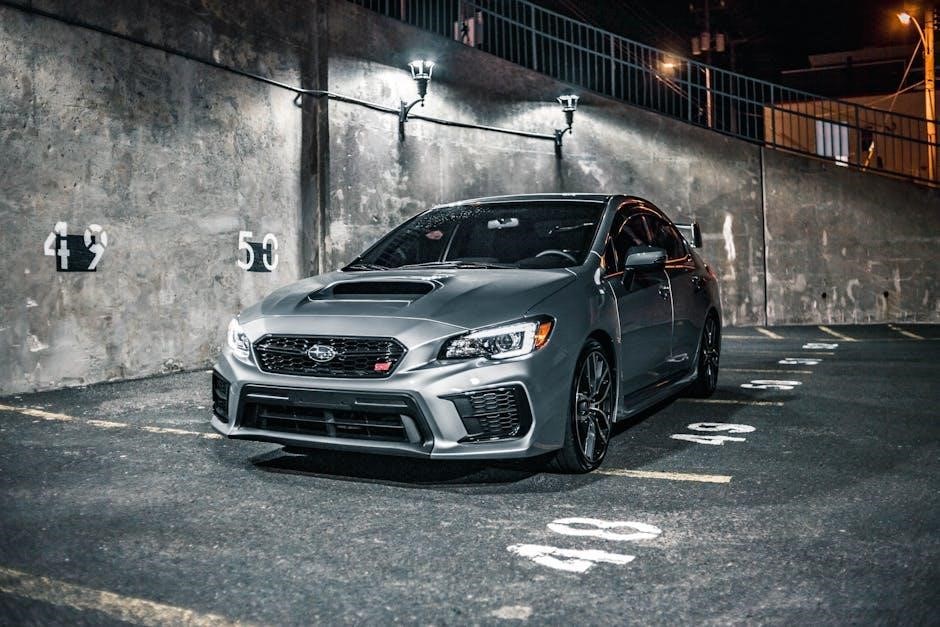
For many enthusiasts, the manual transmission defines the Subaru WRX experience. It offers an engaging connection between driver and machine, delivering precise control and a raw, visceral feel. This traditional setup remains a strong preference for those seeking performance and involvement.
Enthusiast Preference in the USA
In the United States, a very significant preference among Subaru WRX buyers consistently leans heavily towards the manual transmission, a sentiment widely confirmed by various reviews. For the dedicated enthusiast, the six-speed manual isn’t just an option; it’s fundamental to the WRX’s performance sedan identity. Driving appeal stems from direct engagement and precise control offered by the third pedal, something the automatic counterpart struggles to convincingly replicate, often feeling “attenuated.” Reviews highlight that opting for the self-shifting CVT often results in a less compelling, “somewhat pointless” experience, with some characterizing it as a “milquetoast version” of what should be a thrilling, performance-oriented vehicle. The manual, conversely, promises a world of “infinitely more interesting driving.” Furthermore, the manual option carries an affordability advantage, making it a more attractive proposition for those seeking the authentic WRX feel without the automatic’s added cost; This strong inclination for the stick shift underscores a prevailing desire among American WRX owners for an uncompromised, driver-focused experience that truly embodies the car’s rallying heritage, distinguishing it sharply from its less engaging automatic sibling and ensuring its continued popularity in the enthusiast market.
The Six-Speed Manual’s Driving Appeal
The six-speed manual transmission remains a pivotal element in the Subaru WRX’s enduring driving appeal, particularly for those seeking an unadulterated performance experience. This traditional gearbox provides a direct, engaging connection between the driver and the car, allowing for precise control over gear changes and engine dynamics. It is widely acknowledged that the manual version avoids the “attenuated” feeling often associated with its automatic counterpart, delivering instead a visceral and responsive drive. The manual WRX embodies the spirit of a “star among small performance sedans,” offering a tangible sense of involvement that transforms every journey. Critics note that a “world of infinitely more interesting driving awaits those who stick with the WRX’s more affordable third pedal,” contrasting sharply with the “milquetoast version” perception of the CVT. This hands-on engagement fosters a deeper appreciation for the car’s rally heritage and performance capabilities, making the manual option the preferred choice for enthusiasts who prioritize driver involvement, tactile feedback, and the raw, uncompromised character that defines the Subaru WRX.
Affordability of the Manual Option
The manual transmission option for the Subaru WRX stands out not only for its engaging driving experience but also for its financial accessibility. Enthusiasts often find the manual gearbox to be the more economical choice, as the Continuous Variable Transmission (CVT) variant typically carries a higher price tag. This cost difference makes the manual WRX an even more compelling proposition for those seeking performance without an inflated premium. The sentiment from reviews, such as InsideHook, reinforces this perspective, highlighting that there is “nothing here to recommend paying more for the self-shifting option when a world of infinitely more interesting driving awaits those who stick with the WRX’s more affordable third pedal.” This affordability allows buyers to invest less upfront while still acquiring a vehicle renowned for its dynamic capabilities and driver involvement. Opting for the manual version means drivers can enjoy the traditional Subaru WRX character, often considered a “star among small performance sedans,” without the additional expenditure associated with the automatic alternative, making it a pragmatic choice for many performance-oriented buyers.

The Subaru WRX CVT: An In-Depth Look
The Subaru WRX offers a CVT as its automatic option. Critical reception often finds it less compelling than competitor automatics such as the Elantra N or Golf R, frequently characterized as a “milquetoast version” of the performance sedan.
The CVT as an Automatic Alternative
The CVT (Continuously Variable Transmission) serves as the automatic alternative for the Subaru WRX, catering to drivers who prefer not to operate a manual gearbox. This self-shifting option aims to broaden the WRX’s appeal beyond traditional stick-shift enthusiasts, offering a more convenient and relaxed driving experience for daily commutes or varied traffic conditions. The CVT serves as Subaru’s specific answer to an automatic transmission, contrasting with traditional geared automatics or sophisticated dual-clutch transmissions (DCTs) found in performance vehicles. Its design focuses on smooth, continuous power delivery rather than distinct, stepped gear changes, often resulting in a smoother ride, significantly impacting the perceived sportiness of the vehicle. For those considering a WRX but requiring an automatic, the CVT is the sole factory-offered self-shifting option in many markets. This choice reflects Subaru’s engineering approach, positioning it as a distinct alternative to the enthusiast-preferred manual transmission; The availability of this CVT option is crucial for expanding the WRX’s market reach, especially for buyers who prioritize convenience over the more involved engagement of a manual. It provides an accessible entry point to the WRX platform without a third pedal.
Critical Reception of the WRX CVT
The critical reception of the Subaru WRX CVT has largely been lukewarm, with many enthusiasts and reviewers expressing a preference for the manual transmission. According to InsideHook, the WRX CVT is “not particularly compelling” when compared to its competitive set. Reviewers find it difficult to imagine the six-speed manual WRX feeling as “attenuated” as its automatic sibling, suggesting a noticeable dampening of the driving experience. There’s a sentiment that ordering such a “milquetoast version” of what is traditionally a celebrated performance sedan is perplexing. Critics often struggle to find a compelling reason to recommend the self-shifting option, especially when a more engaging and “infinitely more interesting driving” experience is available with the WRX’s more affordable manual counterpart. The CVT’s performance often fails to live up to the spirited reputation of the WRX nameplate, leading to a perception that it compromises the vehicle’s core character rather than enhancing its appeal for performance-oriented drivers. This critical stance highlights a significant divide in opinion regarding the automatic WRX.
Comparison to Competitor Automatics
When comparing the Subaru WRX CVT to automatic transmissions in competing performance vehicles, its limitations become quite apparent. InsideHook reviews suggest the WRX CVT isn’t “particularly compelling” against rivals like the Hyundai Elantra N, which uses an automatic with “significantly speedier shifting technology.” This provides a more responsive and truly engaging driving experience, one the WRX CVT struggles to match. The Elantra N’s transmission offers quicker, precise gear changes, directly appealing to performance enthusiasts. Similarly, the Volkswagen Golf R, another strong contender, boasts “quicker” overall performance, despite its higher price. The Golf R’s automatic, often a dual-clutch system, delivers rapid shifts and a more dynamic feel, surpassing the WRX CVT’s capabilities. These comparisons highlight how the WRX’s automatic falls short in speed and driver engagement when juxtaposed with more advanced, performance-oriented automatics in its class.
Hyundai Elantra N’s Speedier Shifting
The Hyundai Elantra N presents a compelling contrast to the Subaru WRX’s automatic offering, particularly concerning its transmission technology. Reviews highlight that the Elantra N’s automatic system employs “significantly speedier shifting technology” compared to the WRX’s Continuously Variable Transmission (CVT). This advanced engineering translates into a far more responsive and engaging driving experience for the Elantra N. Its rapid gear changes provide a direct and immediate connection to the engine’s power, crucial for a performance sedan. This quick-shifting capability allows the Elantra N to deliver more thrilling acceleration and dynamic performance, setting a higher bar for automatic options in this segment. The precision and speed of its shifts enhance driver involvement, making it feel less attenuated than the WRX’s automatic sibling. This technological edge in shifting speed is a key differentiator, positioning the Elantra N’s automatic as a superior choice for enthusiasts seeking an automatic transmission that doesn’t compromise on performance excitement.
Volkswagen Golf R’s Quicker Performance
The Volkswagen Golf R consistently demonstrates a notably quicker performance when compared to the Subaru WRX equipped with a Continuously Variable Transmission (CVT). While acknowledged as a more expensive option, the Golf R’s inherent design and engineering prioritize speed and agility, positioning it as a superior choice for enthusiasts seeking a high-performance automatic vehicle. Its ability to deliver a more exhilarating driving experience is evident through sharper acceleration and a more dynamic feel on the road, surpassing the attenuated nature often associated with the WRX CVT. This performance advantage highlights a critical difference in how competitors approach automatic performance sedans, offering a more engaging and responsive ride. The Golf R’s quicker capabilities underscore a distinct philosophy in delivering robust performance without requiring a manual gearbox, making it a compelling alternative for drivers prioritizing raw speed and athletic precision in their automatic daily driver.
Intrusive Safety Gear with CVT
One notable aspect of the Subaru WRX equipped with the Continuously Variable Transmission (CVT) is the integration of additional safety gear. While advanced safety features are generally a welcome addition to modern vehicles, in the context of the WRX CVT, this technology often receives criticism for being more intrusive than genuinely helpful. Drivers report that these systems, enabled by the automatic transmission, can detract from the driving experience, making the vehicle feel attenuated and less engaging. Instead of seamlessly assisting, the safety interventions sometimes interfere with the driver’s natural control and connection to the road. This can lead to a sense of disconnect, diminishing the performance sedan’s traditionally raw and driver-focused appeal. The perceived intrusiveness of these safety features contributes to the characterization of the CVT-equipped WRX as a “milquetoast version,” struggling to maintain the spirited essence expected from a vehicle with the WRX badge, especially when compared to its manual counterpart which offers a purer, less interfered driving experience.
Characterization as a “Milquetoast Version”
The Subaru WRX equipped with the Continuously Variable Transmission (CVT) is frequently characterized as a “milquetoast version” by critics and enthusiasts. This label stems from the perception that the automatic variant significantly dilutes the performance sedan’s engaging character, making it feel less like the iconic rally-bred machine. InsideHook notes the difficulty in imagining the six-speed manual WRX feeling as “attenuated” as its automatic sibling, underscoring the stark difference in driving dynamics and driver involvement.
For a vehicle historically celebrated as a “star among small performance sedans,” the CVT option often presents a less compelling proposition. Reviewers question the rationale behind choosing such a subdued version, especially when the manual transmission offers an “infinitely more interesting driving” experience at a more affordable price. The lack of direct, responsive gear engagement, coupled with intrusive safety features linked to the automatic, contributes to this “milquetoast” perception. It struggles to compete with rivals like the Hyundai Elantra N (whose own automatic uses significantly speedier shifting technology) or the quicker Volkswagen Golf R. This characterization highlights a perceived compromise in the WRX’s core performance identity when opting for the CVT.

Regional Differences in WRX Transmission Offerings
The Japanese market presents specific WRX transmission offerings. There, the standard WRX is CVT-only. For a manual WRX, buyers must opt for the WRX STI model, showcasing a distinct regional product strategy.
The Japanese Market Specifics
In Japan, Subaru WRX transmission offerings are notably distinct; For the standard WRX, a Continuously Variable Transmission (CVT) is the sole option for domestic buyers. This means the manual gearbox, often prized by global enthusiasts, is not offered with the regular WRX in its home country. This choice highlights a specific market strategy adopted by Subaru for Japan’s unique consumer landscape.
Consequently, any Japanese buyer desiring a manual WRX must opt for the higher-performance WRX STI. The STI variant provides the only pathway to a three-pedal driving experience for WRX series cars in Japan. This segmentation creates a clear division: the standard WRX targets an automatic-preferring audience, while the STI serves the purist segment within the local market.
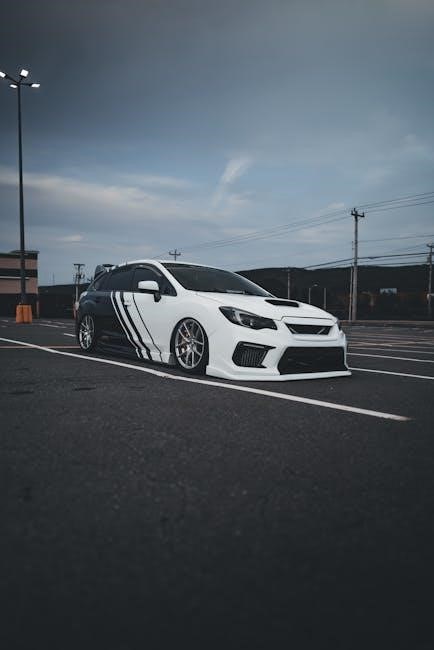
The reasoning for these limited transmission options may stem from the characteristics of the Japanese car market. As a smaller market in volume, it often leads manufacturers to streamline product configurations. This allows for increased efficiency and a more focused approach to meeting prevailing consumer trends. The distinct transmission policy for the WRX series in Japan reflects a tailored response to its unique market dynamics and preferences.
WRX CVT Only in Japan
The Subaru WRX’s transmission offerings vary significantly across global markets, with Japan presenting a unique scenario for its domestic consumers. For those in its home country, the standard Subaru WRX is exclusively available with a Continuously Variable Transmission (CVT). This means that, unlike in other regions such as the USA where a manual option is readily available for the regular WRX, Japanese buyers do not have the choice of a traditional stick shift for the non-STI models. This specific market decision by Subaru underscores a particular strategy tailored for the domestic market’s preferences and conditions.
This exclusive CVT offering for the standard WRX in Japan leads to a distinct situation for local enthusiasts seeking engagement. If a Japanese customer desires a manual transmission in a WRX-badged vehicle, their only recourse is to purchase the higher-performance WRX STI variant. The STI remains the sole model in Japan’s WRX lineup to retain a manual gearbox, specifically catering to a niche segment of drivers who prioritize direct driving engagement. This limitation highlights how regional market demands and manufacturer strategies shape product availability, reflecting a smaller car market where fewer options might be economically offered. The standard WRX in Japan is purely an automatic proposition.
Manual WRX STI Requirement in Japan
The Subaru WRX transmission offerings in Japan present a distinct scenario for enthusiasts. While markets like the United States benefit from a manual option for the standard WRX, Japanese drivers face a specific requirement if they wish to experience a stick shift. In Japan, if a manual WRX is desired, the only available route is to purchase the higher-performance WRX STI variant. This means the standard WRX in the Japanese domestic market is exclusively offered with a Continuously Variable Transmission (CVT), leaving no manual alternative for its base model.
This market specificity highlights Subaru’s strategy in its home country, where the WRX STI serves as the sole bearer of the traditional manual gearbox within the WRX lineup. For Japanese consumers who prioritize direct driver engagement and the classic three-pedal experience, the STI becomes the mandatory choice. This arrangement ensures that the hardcore performance driving experience, steeped in rally heritage, is preserved, albeit exclusively within the premium STI trim. It reflects how regional market preferences and product positioning can significantly alter transmission availability compared to other global markets.

Identifying Subaru WRX Automatic Transmissions
Specific automatic WRX models, such as the 2015-2017 WRX, utilize the AY/TR690GB9BA transmission. Signs of potential issues include slipping, shuddering on acceleration, hard or slow shifts, or failure to engage reverse or drive, indicating a need for attention.
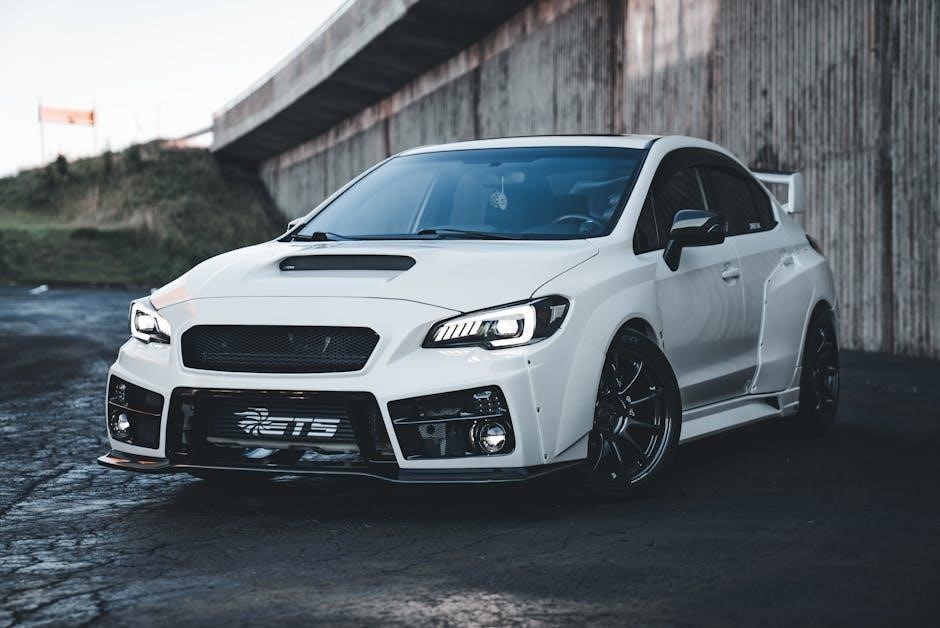
Specific Automatic Transmission Model (AY/TR690GB9BA)
For those exploring the automatic options within the Subaru WRX lineage, it’s important to recognize the specific transmission model employed during certain production years. The Continuous Variable Transmission (CVT) found in particular WRX iterations is identified by the model number AY/TR690GB9BA, often associated with the part number 31000AJ510 as a genuine Subaru component. This particular automatic transmission assembly was integrated into the Subaru WRX models produced between 2015 and 2017. Its presence confirms that not all WRX vehicles were exclusively equipped with manual gearboxes, offering a self-shifting alternative for a segment of the market. Understanding this specific designation helps in accurately identifying and sourcing parts for these models, distinguishing them from other Subaru transmissions, including those used in different vehicles like the BRZ, which utilizes an Aisin unit. The AY/TR690GB9BA marked Subaru’s commitment to providing an automatic choice for the WRX, catering to drivers who preferred the convenience of a two-pedal setup while still desiring the WRX’s performance pedigree. This specific transmission underscores the availability of varied powertrain configurations within the WRX family, moving beyond the traditional manual-only perception for a distinct period of its history.
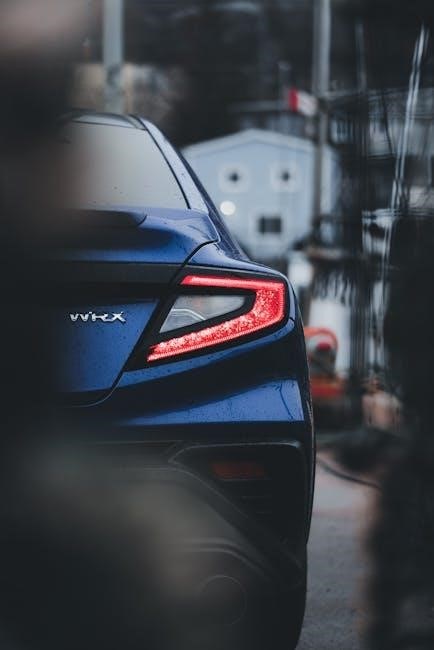
Applicable Model Years (2015-2017)
For those seeking to understand the presence of automatic transmissions in the Subaru WRX lineup, it is crucial to focus on specific model years where this option was available. The automatic transmission, specifically a Continuous Variable Transmission (CVT), was offered in the Subaru WRX for the model years spanning from 2015 to 2017. During this three-year window, buyers had the choice between the traditional six-speed manual gearbox and the self-shifting CVT. This period is particularly important for identifying an automatic WRX, as it confirms that not every vehicle bearing the WRX badge was exclusively a manual. The availability of the automatic option for 2015, 2016, and 2017 models broadened the car’s market appeal, catering to drivers who preferred the convenience of an automatic for daily commuting or those in regions with specific driving preferences. Therefore, when investigating an automatic Subaru WRX, concentrating on these specific model years is essential for accurate identification and understanding its powertrain configuration, dispelling the myth of an exclusively manual range.
Signs of Automatic Transmission Issues
When an automatic transmission in a Subaru WRX begins to develop problems, several distinct indicators can alert the owner to potential issues. One of the primary signs to watch for is a sensation of slipping or shuddering during acceleration. This can manifest as the engine revving without a corresponding increase in vehicle speed, or a noticeable vibration as the car attempts to shift gears. Another clear red flag is hard shifting, where the gear changes feel abrupt, clunky, or jarring, rather than smooth and seamless. Similarly, late or slow shifts indicate that the transmission is hesitating or taking an unusually long time to engage the next gear, which can impact performance and fuel efficiency. Perhaps the most critical signs are when the transmission completely fails to engage reverse or drive. If the vehicle struggles or refuses to move into these essential gears, it strongly suggests a significant internal problem requiring immediate attention. Recognizing these symptoms early can prevent further damage and inform necessary maintenance or replacement decisions for the specific automatic transmission model (AY/TR690GB9BA) found in WRX models from 2015-2017.